
Reviewed · FOOD & DRINK
Ostuni: Olive Oil Tasting Tour
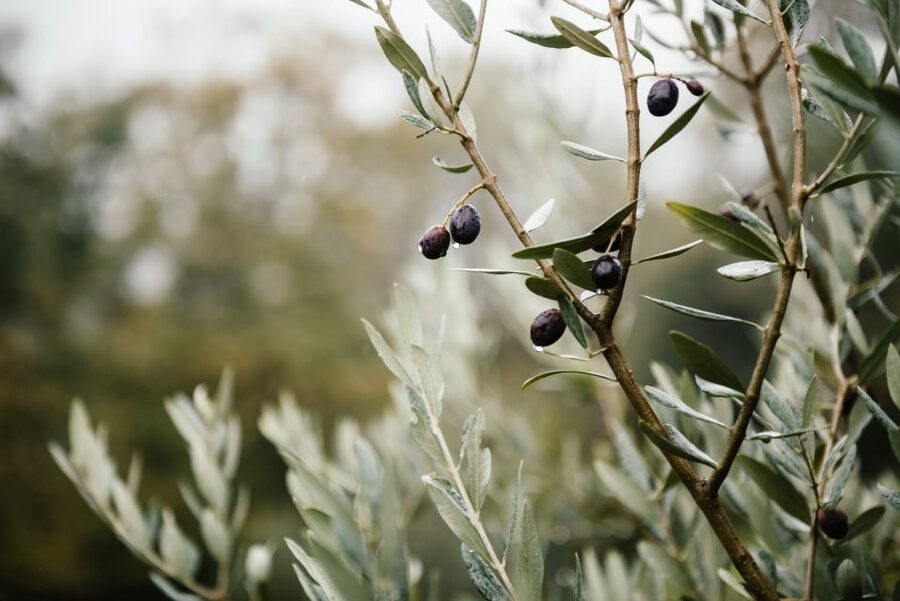
Ancient trees make fine teachers. At Masseria Valente, you walk among olive trees said to be more than 2,000 years old, then visit old underground and above-ground presses before tasting three organic oils. I especially like the peaceful farm setting and the way the tour links food with local history. The main consideration is time: the tasting is generous, but the guided visit can feel quick for the $53 price.
I also like that the experience stays rooted in the farm itself. You meet at a traditional masseria, not a city shop, and guides such as Angela, Maria, and Carla have been praised for making the history clear and enjoyable. If you want lunch, wine, or a longer meal, plan extra time at the on-site restaurant, since those additions are not part of the basic tour.
In This Review
- Key points at a glance
- Walking among Ostuni’s ancient olive trees
- Inside the 16th-century underground oil press
- Comparing the 19th-century mill with older methods
- Tasting three organic oils with Puglian snacks
- How much value do you get for $53?
- Timing your visit around the olive harvest
- Getting to Masseria Valente
- Who will enjoy this olive oil tour?
- Practical details before you book
- Should you book the Masseria Valente tour?
- FAQ
- Where does the olive oil tour begin?
- How early should I arrive?
- Is transportation included?
- How long does the experience last?
- Which languages are available?
- What will I see at the masseria?
- How many olive oils are included in the tasting?
- What food is served with the oil?
- Are lunch and wine included?
- Can I cancel the booking?
Key points at a glance
- Two historic oil mills: See a 16th-century underground press and a 19th-century above-ground mill.
- Olive trees with remarkable age: Walk among young, mature, millenary, and trees said to be more than 2,000 years old.
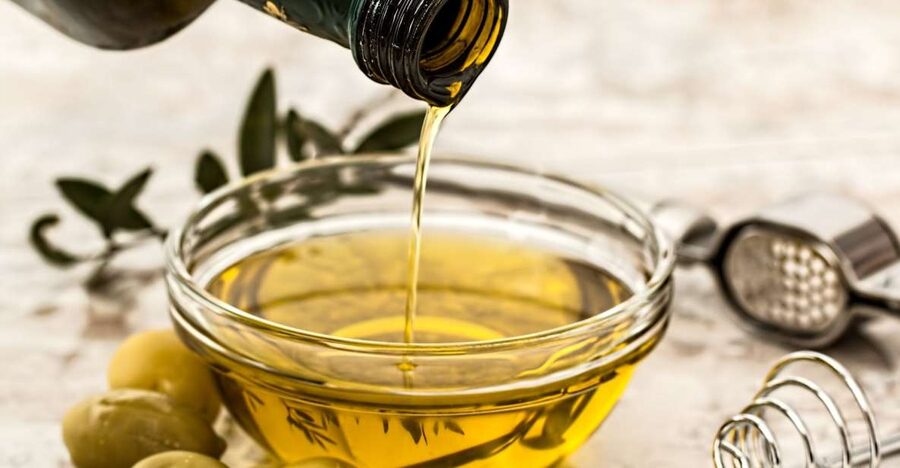
- Three organic oils: Compare different oils with olives, tarallini, and fried broad beans.
- A working farm setting: Masseria Valente offers a countryside visit rather than a simple tasting-room stop.
- Strong guide-led experience: Angela, Maria, Carla, and other guides have been praised for clear explanations and friendly service.
- Useful planning detail: You must arrange your own transport to the masseria and arrive 15 minutes early.
Walking among Ostuni’s ancient olive trees
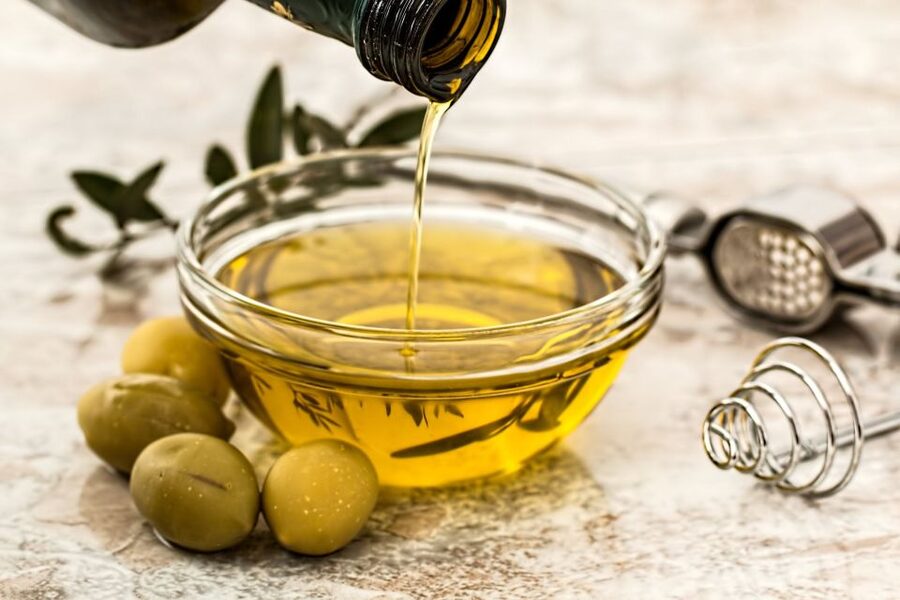
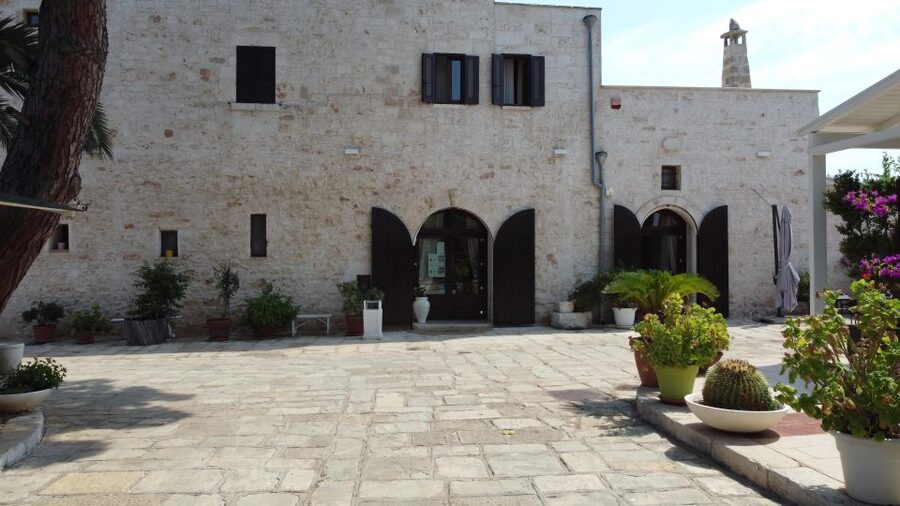
This experience begins at Masseria Valente, outside the historic center of Ostuni. You meet the guide at the farm and start with a walk through the olive groves, where the trees are the main attraction long before the tasting begins.
The grove includes young trees, mature trees, and ancient specimens. Some are described as millenary, while others are said to have been planted more than 2,000 years ago by veterans of the Punic Wars. That claim is part of the site’s story, but either way, these are not ordinary garden trees. Their thick trunks and twisted limbs give you a direct sense of how long olive growing has shaped Puglia.
I like this opening because it gives the oil a human and historical setting. You are not simply handed a small glass and told to identify peppery notes. You first see the trees that produce the fruit, the dry farm setting around them, and the scale of the work involved.
Bring a phone or camera if you enjoy taking pictures. Several visitors have found the grove especially photogenic, and the quiet grounds are one of the strongest parts of the visit. The walking portion is also a good change of pace after sightseeing in Ostuni, where most of your time is spent among whitewashed streets and stone buildings.
The walk is not presented as a long hike. It is part of a short guided visit, so you should expect an easy stroll rather than an extended countryside outing. If you want a full morning among the orchards, this tour will feel too brief. If you want a compact taste of rural Puglia, the pace works well.
More Food Tours in Bari
- Bari’s Ultimate Street Food Tour – Small Group by Do Eat Better
★ 5.0 · 1,187 reviews - Bari: Walking Street Food Tour
★ 4.7 · 458 reviews - Polignano a Mare: Catamaran Tour with Aperitif & Local Food
★ 4.9 · 249 reviews
Inside the 16th-century underground oil press
After the grove, you visit the hypogeum oil mill. Hypogeum means underground, and this space gives you the most unusual historical sight on the tour.
The mill dates to the 16th century and shows how olive oil was produced before modern farm machinery. The underground location helped create a stable working environment, while the stone rooms and old processing areas make the methods easier to picture than a spoken explanation alone.
This is where the tour becomes more than a food stop. Olive oil was not just a kitchen ingredient in earlier centuries. It was used for food, lighting, trade, and other daily needs. The guide explains how production worked in earlier periods and compares those methods with later and current practices.
The underground mill has received some of the strongest praise. It is visually striking, and the chance to stand in the original processing area gives the visit a real sense of place. You are seeing a part of the farm’s working past, not a modern reconstruction built only for tourists.
The stone setting may also be appealing if you enjoy historic interiors, but the visit is guided and fairly short. Do not expect a museum with a large collection of displays or extensive written panels. The value comes from the guide’s explanation and the physical space itself.
Comparing the 19th-century mill with older methods
The second stop is the epigean mill, an above-ground oil mill from the 19th century. Seeing both mills in one visit helps you follow the changes in olive oil production.
The underground press represents an earlier system, while the above-ground mill shows a later stage in the farm’s development. The contrast makes the history easier to understand. You can see that olive oil production was not one fixed tradition, but a process that changed as buildings, tools, and working methods changed.
I find this comparison more useful than a single explanation of traditional production. You get two physical examples, each tied to a different period. The guide can point out how the farm handled olives and pressed the oil, then place those methods beside the way extra virgin olive oil is produced today.
The quality of the explanation matters here. Angela was praised for being friendly and well informed, while Maria was described as funny and clear. Carla also received strong praise for answering questions and adding useful detail. There has been one less positive experience in which the guide’s English was limited and questions were not handled well, so the language of the particular departure can affect the visit.
The tour is offered in English and Italian. If you book in English, you should receive an English-speaking guide, but the quality of communication can still vary by guide. That is a fair point to keep in mind if the history is your main reason for booking.
Tasting three organic oils with Puglian snacks
The visit ends with a tasting of three organic olive oils. This is not a full meal, but the oils are served with local foods that make the tasting more satisfying: olives, tarallini, and fried broad beans.
Tarallini are small, crisp Puglian snacks, often made with flour, olive oil, and wine. Their plain crunch works well between samples. The olives and fried broad beans add salt and texture, giving you something to eat while comparing the oils.
Three samples are enough to show differences, especially if you have never tasted olive oil side by side. You can pay attention to smell, bitterness, fruitiness, and the peppery finish. A good guide should also explain the difference between virgin and extra virgin olive oil, a distinction that several people found useful.
I like that the tasting teaches you how to choose oil, rather than simply asking you to admire it. You leave with a better sense of what you are buying in a shop or using at home. The experience is especially helpful if you normally treat all olive oil as the same product.
The limitation is clear: you taste three oils, not a wide range. One person would have liked more samples and lunch options on the property. For $53, some people will find the tasting portion modest, particularly if they are expecting a full food tour.
Still, the snacks make it feel more complete than a tasting of oil alone. You can also buy bottles to take home. If you want to extend the visit, the farm has a café and hotel, and some visitors have added wine, appetizers, or lunch in the dining room. Those extras cost more and are not included in the tour.
A few more Bari bookings to compare
- Polignano a Mare: Speedboat Cruise to Caves with Aperitif
★ 4.8 · 3,382 reviews - Polignano a Mare: Cave Boat Tour with Aperitif
★ 4.7 · 1,891 reviews - Polignano a Mare: Boat Trip, Swim & Cave with Aperitif
★ 4.8 · 1,300 reviews - Polignano a Mare boat tour emotions, caves, diving and appetizers
★ 5.0 · 1,022 reviews
How much value do you get for $53?
At $53 per person, this is not the cheapest short activity in Puglia. The basic visit lasts about one hour, although the detailed schedule allows roughly an hour and a half for the stop in Ostuni. Check the exact starting time and expected duration when booking, since the short format is important to the value calculation.
You are paying for several parts at once:
- A guided walk through an old olive grove
- Access to the historic masseria
- A visit to two traditional oil mills
- Explanations in English or Italian
- Three organic oil samples
- Olives, tarallini, and fried broad beans
I think the price makes the most sense if you care about the farm, the mills, and the history as much as the food. In that case, the tasting is the final part of a small cultural visit. If you mainly want to sample olive oil, you may find the cost high for the amount poured.
The setting also affects the value. You are visiting a traditional farm, rather than sitting in a shop in Ostuni. The old buildings and trees give the tasting a strong local connection, and that is hard to replicate in town.
The tour received an overall rating of 4.4 from 171 ratings, with repeated praise for the setting, guides, and educational side. That does not erase the complaints about the price or the short visit, but it gives you a useful picture: most of the value rests in the full combination of place, story, and tasting.
Timing your visit around the olive harvest
The best time for a special agricultural atmosphere is during the harvest. In October, visitors have seen olives being picked, including one visit at the beginning of the harvest. That adds a working-farm element that you cannot count on during other months.
Harvest timing may also make the tour feel more connected to the oil in your tasting glass. You can see the fruit at the point when the year’s production is beginning, rather than only hearing about it as an old tradition.
The supplied experiences cover several seasons, including spring, summer, early autumn, and October. The grove and mills remain the core attractions outside harvest time, but the exact farm activity can differ by date.
If seeing active harvesting matters to you, contact the provider before booking rather than assuming it will be underway. The tour description promises access to the trees and mills, not a guaranteed harvest demonstration.
Getting to Masseria Valente
Transport is not included. You must make your own way to Masseria Valente and arrive 15 minutes before the activity begins.
That makes a car or carefully planned taxi arrangement useful, although the available information does not specify a transfer service or public transport route. Do not treat this as a walk-up activity from Ostuni’s old town without checking the distance and route first.
The meeting point is also the return point. You begin at Masseria Valente, visit the farm and its olive facilities, and finish back at the masseria. This simple setup means you do not need to coordinate a separate pickup after the tasting.
Since the experience is short, arriving late would cost you a meaningful part of the visit. Give yourself time to find the property, park if needed, and meet the guide before the start.
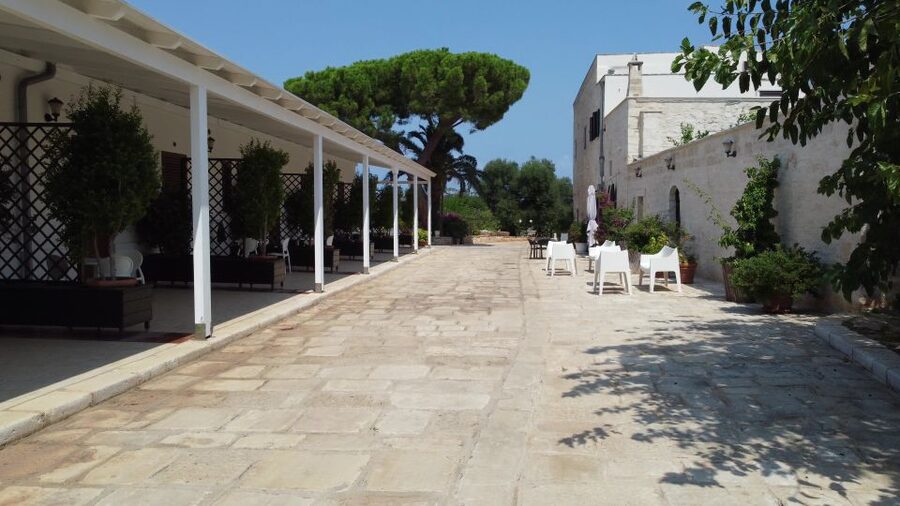
The setting includes a café, hotel, and dining room. You might build the tour into a longer stop by adding wine, appetizers, or lunch, but those are separate from the $53 booking. This is a good way to make the drive worthwhile if you have a flexible day in the Ostuni area.
Who will enjoy this olive oil tour?
I would recommend this experience to anyone interested in how Puglian food connects to the countryside. It is a good fit for couples, families with older children, and visitors who want an easy cultural activity between town sightseeing and a meal.
You will get the most from it if you enjoy:
- Traditional farm buildings
- Food production and local agriculture
- Short guided walks
- Historic working spaces
- Small tastings with explanations
- Buying regional food products to take home
It also suits first-time olive oil tasters. The guide can help you notice differences between the samples, and the comparison may change how you shop for oil later.
I would be more cautious if you want a long tour, a large meal, or a broad tasting menu. The tour is not a cooking class, a full-day farm visit, or a restaurant meal. Its strength is a compact combination of trees, history, old presses, and three oils.
The language point deserves attention too. English and Italian are available, but one departure had trouble handling questions in English. If detailed interpretation is essential to you, confirm the language arrangements before paying.
Practical details before you book
The experience provider is PUGLIAMARE SRL. The live guide service is available in English and Italian, and the standard booking includes the guide, three organic oils, olives, tarallini, and fried broad beans.
You can cancel up to 24 hours before the activity for a full refund. A reserve-now, pay-later option is also available, which helps if you are still arranging your Puglia schedule.
The listed duration is one hour, while the detailed visit schedule gives about 1.5 hours for the Ostuni stop. Since the supplied timings do not fully match, check the exact departure details before booking and avoid placing a tight appointment immediately afterward.
Wear shoes suitable for a walk through a farm and olive grove. No special equipment is listed, but the experience includes outdoor walking and historic mill spaces, so practical footwear makes sense.
Should you book the Masseria Valente tour?
Book it if you want a short, place-based introduction to Puglian olive oil, especially if ancient trees and traditional farm buildings interest you. The underground mill, the grove, and the chance to compare three organic oils give the visit more substance than a standard tasting.
Think twice if your priority is quantity. At $53, the tour may feel expensive for a quick visit with only three oils and small snacks. You will get better value by staying for lunch or wine afterward, though those extras are separate.
For most visitors, I think the tour is worth considering as a thoughtful stop near Ostuni, not as a full meal or major day trip. Arrive early, arrange your own transport, ask questions, and leave enough time for the farm’s café or dining room if you want to turn a one-hour activity into a fuller Puglian outing.
FAQ
Where does the olive oil tour begin?
The tour begins at Masseria Valente.
How early should I arrive?
You should arrive 15 minutes before the activity starts.
Is transportation included?
No. Transfers are not included, so you must arrange your own way to Masseria Valente.
How long does the experience last?
The advertised duration is one hour. The detailed schedule describes the Ostuni visit as lasting about 1.5 hours, so you should check the exact timing when booking.
Which languages are available?
Live guides are available in English and Italian.
What will I see at the masseria?
You will walk among young, mature, millenary, and very ancient olive trees. You will also visit the 16th-century underground hypogeum oil mill and the 19th-century above-ground epigean mill.
How many olive oils are included in the tasting?
The tasting includes three organic olive oils.
What food is served with the oil?
The tasting includes olives, tarallini, and fried broad beans.
Are lunch and wine included?
No. Lunch, wine, appetizers, and other food at the property are not included in the tour price.
Can I cancel the booking?
Yes. You can cancel up to 24 hours in advance for a full refund. A reserve-now, pay-later option is also available.
Recently added around Bari
- Bari Vecchia Group Tour in Italian★ 5.0 · 241 reviews
- Boat tour of the Polignano a Mare caves with aperitif★ 4.5 · 595 reviews
- UNESCO’s Alberobello and Matera from Bari★ 4.5 · 271 reviews
- Bari Street Food Bike Tour★ 5.0 · 174 reviews
- The Original Street Food Walking Tour in Bari★ 4.5 · 226 reviews
- Alberobello and Matera Bus Tour, from Bari★ 4.5 · 250 reviews
- Boat trip to the Polignano a Mare caves★ 5.0 · 395 reviews
- Full Day Tour by Car and Walking among the Apulian Beauties★ 4.5 · 182 reviews
Food & Drink, compared.

Small-Group Wine Tasting Experience in the Tuscan Countryside
Read our review →
Tuscany & Montepulciano Day Trip with Lunch & Wine Tasting
Read our review →
Winner 2025 Rome Twilight Trastevere Food Tour by Eating Europe
Read our review →
SMALL-GROUP Wine Safaris: Tuscan Wine Tasting Tours from Florence
Read our review →
Winner 2025 Florence Sunset Food & Wine Tour by Eating Europe
Read our review →
San Gimignano, Siena, Monteriggioni, Chianti Day Trip with Lunch & Wine Tasting
Read our review →
Browse the lists this tour appears in