
Reviewed · MUSEUMS
Murano: Glass Museum Entry Ticket
Glass tells Venice’s story in brilliant color. I like this museum for its chronological collection, which lets you follow Venetian glass from older techniques to later masterpieces, and for its world-famous Murano pieces, including work that will appeal to anyone who loves glass jewelry. The main drawback is simple: this is a self-guided visit, so you will not have a live guide explaining each display.
At $11 per person, the ticket is a sensible choice if Murano glass is high on your Venice list. You can explore at your own pace during the one-day validity period, though you should check the museum’s current opening dates and hours before setting out. The visit can be fairly quick, but it offers plenty to study if you take time with the details.
In This Review
- Key points to know before visiting
- Why Murano glass deserves a museum visit
- Entering the collection in chronological order
- The appeal of 17th-century glasswork
- Masterpieces and Murano glass jewelry
- What the visit feels like without a live guide
- How much time should you allow?
- Getting to Murano with the transport option
- Price, flexibility, and practical limits
- Who will enjoy this museum most?
- Should you book the Murano Glass Museum ticket?
- FAQ
- How much does the Murano Glass Museum ticket cost?
- How long is the ticket valid?
- Is public transportation included?
- Is a live guide included?
- Is the museum wheelchair accessible?
- Can I cancel the booking?
Key points to know before visiting
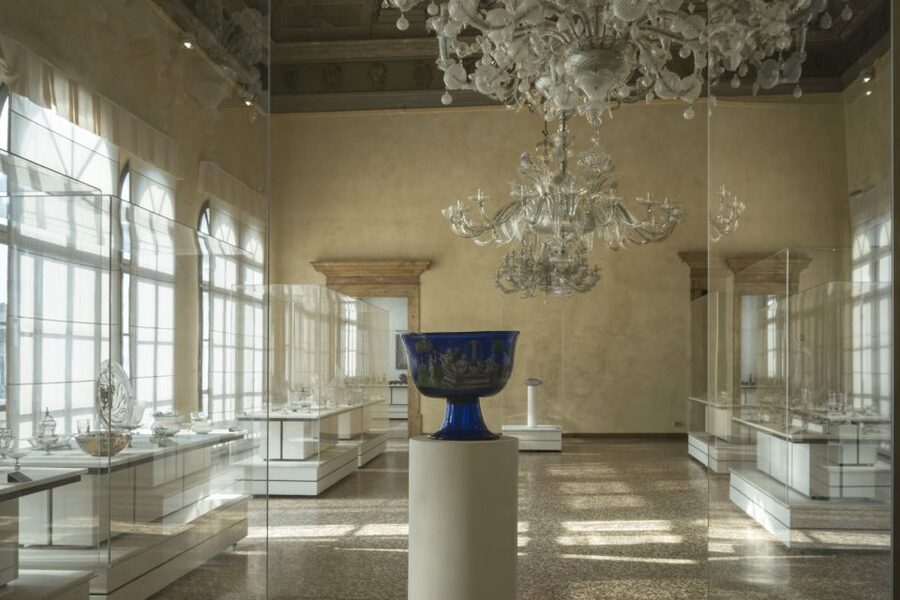
- The collection follows a clear timeline: You can trace Murano glass art across the centuries instead of viewing unrelated objects in random order.
- 17th-century glasswork is a major highlight: Older pieces give the museum real historical weight and show how techniques developed.
- This is a strong stop for jewelry fans: The displays connect decorative glassmaking with the small-scale artistry used in Murano glass jewelry.
- You explore without a guide: That gives you freedom, but you will need to read and interpret the collection on your own.
- A one-day transport ticket may be added: Choose that option if you want public transport included with museum admission.
- The museum is wheelchair accessible: This makes it a practical cultural stop for many visitors with mobility needs.
Why Murano glass deserves a museum visit
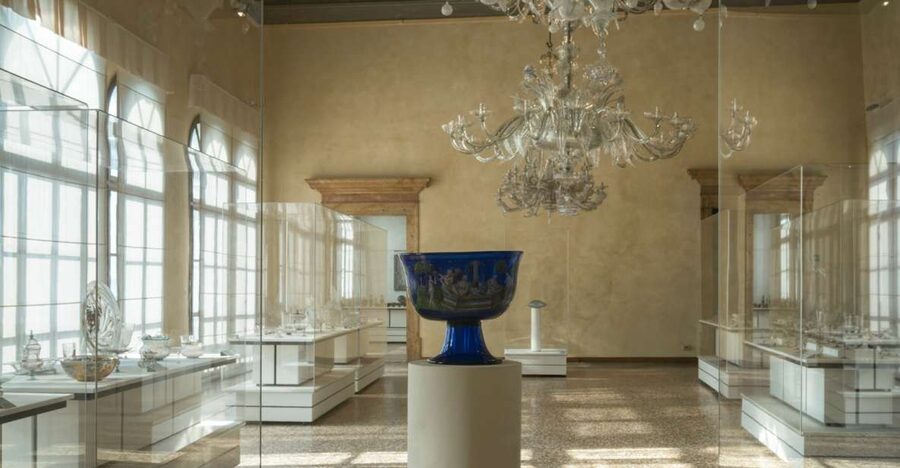
Murano is not simply a place where colorful souvenirs are sold. Its glassmaking tradition is tied closely to Venice and to the island’s long role as a center for glass art. The museum gives you a way to see that tradition as a developing craft, not just a collection of attractive objects.
I find that useful because Murano glass can be easy to misunderstand. A small ornament or necklace may look simple at first glance, but the work depends on heat, timing, shaping, color, and control. A museum setting gives you the chance to look closely and consider how much skill sits behind the finished object.
The collection is arranged chronologically. That is one of the best features for a visitor who wants more than pretty glass. You can follow changes in design and technique over time, then compare older work with later pieces and celebrated masterpieces.
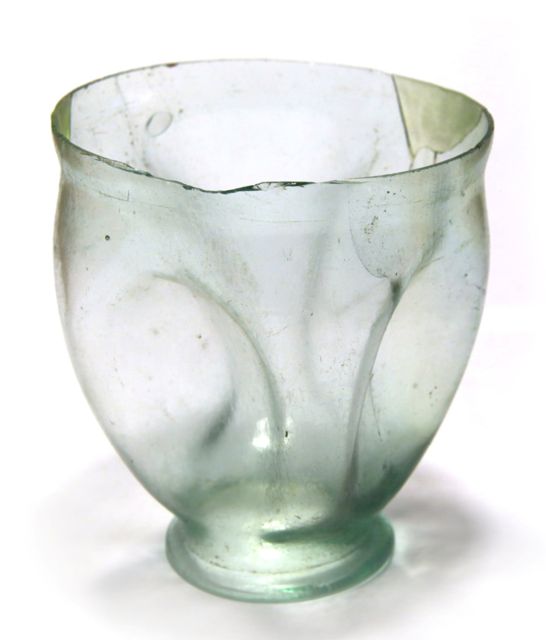
The displays include 17th-century glasswork, which gives you a clear connection to earlier Venetian artistry. You will also find famous examples that show how Murano glass developed into an internationally recognized form of art.
More Museum Tours in Venice
- Venice: St. Mark Basilica Ticket, Audioguide+History Gallery
★ 3.9 · 4,780 reviews - Venice: Leonardo Da Vinci Museum Entrance Ticket
★ 4.5 · 3,560 reviews - Venice’s Best: Basilica, Doge’s Palace, Gondola & History Gallery
★ 4.5 · 2,478 reviews
Entering the collection in chronological order
Your visit is self-guided, so the pace is yours. You can move steadily through the museum if you have a packed day in Venice, or slow down around pieces that catch your eye.
The chronological arrangement helps you keep your bearings. Instead of needing to know the names of artists or techniques before you arrive, you can let the order of the displays build your understanding step by step.
I would begin by looking at the earliest sections with patience. Older works may not have the instant visual punch of some later masterpieces, but they help explain the direction of Murano glassmaking. Pay attention to shape, decoration, transparency, and color as you move forward.
The museum is especially useful for visitors who want context before buying glass on the island. After seeing how techniques and styles changed, you may look at shops and workshops with a sharper eye. You can better distinguish between a piece chosen for its color and one selected for its workmanship.
That said, the museum does not replace a live demonstration or a personal guide. You will not have someone beside you describing each object, answering questions, or pointing out tiny details. If you enjoy learning through conversation, this limitation matters.
For independent visitors, though, the lack of a fixed group can be an advantage. You are not tied to a tour schedule, and you can spend more time with jewelry, historical objects, or larger glass pieces according to your own interests.
The appeal of 17th-century glasswork
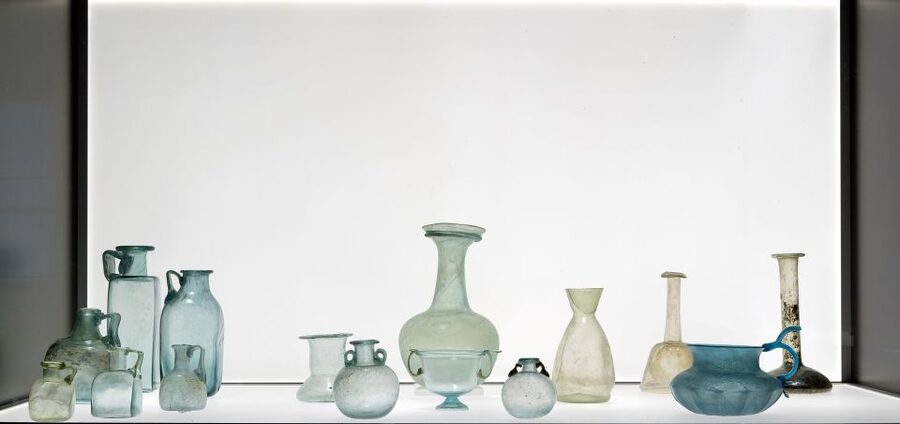
The 17th-century pieces give the visit a strong focal point. They connect the museum to a period when Venetian glass had already developed a sophisticated identity, while still showing the craft’s older foundations.
I recommend looking for signs of technique rather than rushing only toward the most ornate object. Glass can be shaped, layered, stretched, colored, and decorated in ways that are easier to appreciate when you give each piece a few extra seconds.
The older work also makes the museum feel like more than a display of luxury goods. These objects record changing tastes and methods. They show how glass moved between practical use, decoration, status, and artistic expression.
You may find that the historical sections appeal to you more than expected. Some visitors arrive mainly for contemporary-looking jewelry or famous masterpieces, then become interested in the earlier work because it explains where later styles came from.
If you have limited time, make a point of seeing the 17th-century glasswork before moving through the rest of the collection. The museum can be visited quickly, but skipping the early sections would remove much of its educational value.
Masterpieces and Murano glass jewelry
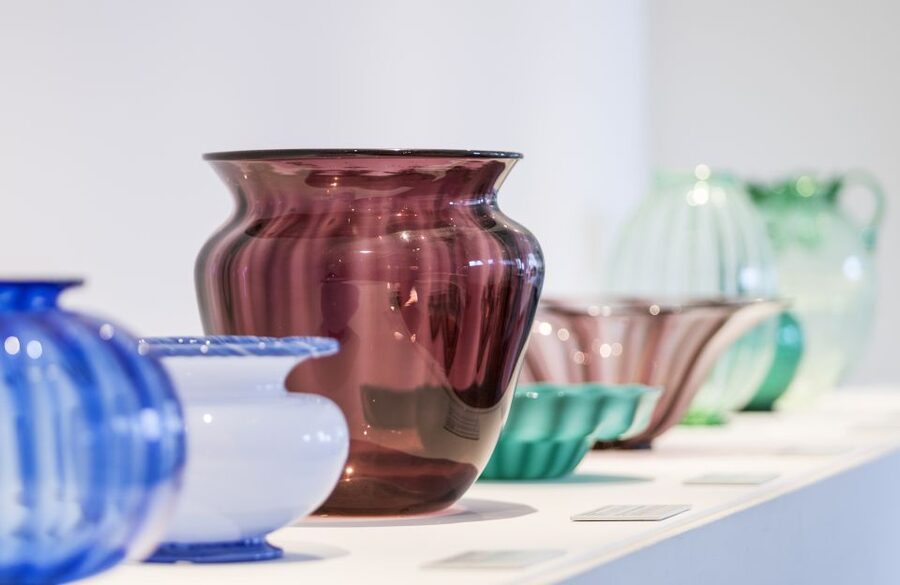
This museum is an especially good match for anyone already fascinated by Murano glass jewelry. Small objects reward close viewing because you can study color combinations, patterns, and the finish of the glass without needing to stand far back.
Jewelry lovers may also appreciate the connection between wearable objects and larger works in the collection. The same broad tradition of glass artistry can appear in very different forms, from a small decorative piece to a more ambitious museum object.
The world-famous masterpieces provide another reason to visit. You may recognize the appeal immediately, or you may prefer less famous pieces. Either way, the range helps you see that Murano glass is not one single style.
I would avoid treating the museum like a quick checklist of famous objects. Take time to compare pieces. Ask yourself which forms seem delicate, which colors feel deliberate, and which objects rely on restraint rather than decoration.
The museum’s largest historical collection of Murano glass gives you a broader view than a shop display can offer. A shop naturally focuses on items for sale. A museum lets you see how the craft developed across centuries, including work that you cannot simply pick up and buy.
Still Venice, but a slower afternoon:
- Venice: Doge’s Palace Reserved Entry Ticket
★ 4.6 · 42,716 reviews - Venice: Grand Canal Gondola Ride with App Commentary
★ 4.1 · 18,908 reviews - Boat Trip: Glimpse of Murano, Torcello & Burano Islands
★ 4.3 · 15,699 reviews - Venice: Grand Canal by Gondola with Live Commentary
★ 4.1 · 13,681 reviews
What the visit feels like without a live guide
There is no live guide included, and that shapes the experience. You will be responsible for choosing your route, setting your pace, and deciding how much time to give each section.
I see this as a fair trade at the $11 price. A guided tour would add explanation and structure, but a self-guided ticket keeps the cost down and makes the visit easy to fit around other plans in Venice.
The museum suits people who enjoy looking closely and reading at their own speed. It also works well for couples or families who do not want to follow a group through every display.
The tradeoff is that you should not expect a hands-on lesson in glassblowing. The museum helps you understand Venetian glass techniques through its collection, but the information provided here does not include a live glassblowing demonstration.
You may still come away with a better sense of how difficult the craft is. The objects themselves reveal plenty when you compare the forms and decoration across different periods. Just keep your expectations clear: this is a museum visit, not a workshop.
How much time should you allow?
The ticket is valid for one day, and the visit can be fairly quick. That makes it useful on a crowded Venice itinerary, especially if you want to add a cultural stop without giving up an entire day.
I would not treat the one-day validity as a promise that the museum requires a full day. It means you have flexibility within the stated validity period, while the actual time inside depends on your interest in the collection.
If you are passionate about Murano glass, jewelry, or decorative arts, you will likely want to linger. Read the information available, compare pieces from different periods, and return to sections that deserve another look.
If you are less interested in glass, a shorter visit may be enough. The museum has a focused subject, so it is not the best choice for someone who wants a broad survey of Venetian painting, sculpture, or architecture.
That focused nature is both its strength and its limit. You get a close look at one important Venetian craft, but you should not expect a general museum covering every part of the city’s art.
Getting to Murano with the transport option
Entry to the museum is included with the basic ticket. A one-day public transport ticket can also be included if you select that option.
That extra may be useful if your Venice plans include several journeys by public transport on the same day. Its value depends on your schedule, so consider how much moving around you expect to do before paying for the added option.
The transport choice also makes the museum easier to fit into a wider day on the lagoon. You can plan Murano as one stop among several, rather than treating the museum as an isolated outing.
The supplied information does not specify exact transport routes or departure points, so check current public transport details before leaving. Do not assume that the museum ticket alone includes transportation.
Also check the Glass Museum’s own website for opening dates and hours. This is particularly important because schedules can change, and the ticket is non-refundable. A few minutes of planning can prevent a wasted trip across the water.
Price, flexibility, and practical limits
At $11 per person, the museum offers good value for visitors who care about Murano glass. You are paying for access to the largest historical collection of Murano glass in the world, not merely admission to a small retail display.
The value is weaker if you have little interest in glass or if you want a guided explanation. Without a live guide, much of the experience depends on how willing you are to study the displays for yourself.
The one-day validity adds useful flexibility. You do not need to race through the museum at a fixed starting time, though you should confirm available times and opening information before you go.
The non-refundable policy deserves attention. Once you book, changing your mind may mean losing the ticket cost, so confirm your Venice schedule first.
The museum is wheelchair accessible. That is a helpful practical feature for visitors who need an accessible cultural stop, although you should still check the museum’s current accessibility information if you have specific requirements.
On certain dates between April 18, 2025, and July 27, 2025, Venice requires many visitors to pay an Access Fee directly to the City of Venice. Exemptions apply in some cases, and the official cda.ve.it website provides the current dates, payment methods, and exemption rules. This fee is separate from the museum ticket.
Who will enjoy this museum most?
I would recommend the museum first to people who already like glass art, jewelry, decorative objects, or Venetian crafts. You will get the most from the chronological layout and the chance to compare techniques over several centuries.
It is also a good choice for independent sightseers who prefer a quiet, flexible visit without a group or fixed commentary. Families may appreciate the bright colors and unusual shapes, though younger children may move through the collection quickly.
The museum is less suitable if you want a live glassblowing lesson, a personal guide, or a broad survey of Venice’s art. It is focused, and its appeal depends on your interest in the subject.
The overall rating is 4.4 out of 5 from 247 ratings. That fits the experience well: the visit is often praised as interesting and worthwhile, while its main weakness is that it may feel short for anyone expecting a full-day attraction.
Should you book the Murano Glass Museum ticket?
Book it if you want to understand Murano glass beyond the souvenir shops. The 17th-century pieces, chronological presentation, and famous works make this a useful stop for art lovers and jewelry fans.
Skip it if glass is not part of your Venice priorities or if you need a guide to bring every display to life. At $11, the risk is modest, but the subject is specialized.
My practical advice is to check the opening schedule, decide if you need the one-day transport option, and leave enough room to look closely rather than simply pass through. For the right visitor, this is a focused and rewarding way to connect Venice with one of its most distinctive crafts.
FAQ
How much does the Murano Glass Museum ticket cost?
The listed price is $11 per person.
How long is the ticket valid?
The ticket is valid for one day. Check availability for the starting times connected with your visit.
Is public transportation included?
A one-day public transport ticket is included only if you select that option.
Is a live guide included?
No. The visit is self-guided, and no live guide is included.
Is the museum wheelchair accessible?
Yes. The activity is listed as wheelchair accessible.
Can I cancel the booking?
No. The activity is non-refundable, so check the museum’s opening dates and times before booking.
Recently added around Venice
- Venice Walking Tour and Gondola Ride Combo★ 4.4 · 266 reviews
- Venice: Walking Tour and Shared Gondola Ride★ 4.1 · 466 reviews
- Venice: Private Tour with a Local Guide★ 4.6 · 718 reviews
- Venice: Walking Guided Tour of the City Must-See Sites★ 4.7 · 1,095 reviews
- Venice: The Footsteps of Commissario Brunetti Walking Tour★ 4.9 · 445 reviews
- Venice: Vivaldi Four Seasons Concert at Vivaldi Church★ 4.8 · 287 reviews
- Venice: The Three Tenors Concert Ticket★ 4.8 · 1,183 reviews
- Venice: Lagoon Catamaran Cruise with Music and Drinks★ 4.7 · 419 reviews
Museums, compared.


Vatican Museums & Sistine Chapel Tour with Optional Basilica
Read our review →
Vatican Museums, Sistine Chapel & St Peter’s Basilica Guided Tour
Read our review →
Skip-The-Line Uffizi Gallery Timed Entry Ticket
Read our review →
Vatican Museums, Sistine Chapel & Basilica Tour
Read our review →
Vatican Museums & Sistine Chapel Skip-the-Line Entry Ticket
Read our review →Vatican Museums, Sistine Chapel & Basilica Tour
Read our review →
Vatican Museums & Sistine Chapel Guided Tour
Read our review →Browse the lists this tour appears in