
Reviewed · DOLPHIN WATCHING
Alghero – Dolphin Watching and Guided Snorkeling (summer tour)
Dolphins are wild, so the sea decides. That uncertainty is part of the appeal of this low-impact dolphin tour, which combines marine research, coastal scenery, and guided snorkeling in the Capo Caccia and Isola Piana Marine Protected Area. I like the serious approach to wildlife, and I like that the four-hour outing offers more than a quick boat ride.
The crew works with MareTerra NGO, using dolphin photo-identification and recorded sounds to explain individual animals, their ages, health, and behavior. The main consideration is simple: the advertised 80 percent sighting chance is high, but it is not a promise. You receive no refund if the dolphins stay hidden.
In This Review
- The best reasons to book this Alghero boat trip
- Why the research-led approach matters
- Meeting in Alghero and getting on the water
- Searching for dolphins in Capo Caccia waters
- Learning to read dolphin behavior
- Snorkeling in the Marine Protected Area
- What the four hours feel like
- Is $78.64 a fair price?
- Who will enjoy this tour most?
- Weather, cancellation, and practical planning
- Should you book the Alghero dolphin tour?
- FAQ
- How long is the Alghero dolphin watching tour?
- Where does the tour meet?
- What is the chance of seeing dolphins?
- Is snorkeling included?
- Do I need snorkeling experience?
- Is the tour suitable for children?
- Is there a bathroom on the boat?
- What happens if bad weather cancels the tour?
The best reasons to book this Alghero boat trip
- Scientists join the boat: Marine biologists and certified nature guides explain dolphin behavior, conservation, and the research taking place during the excursion.
- Dolphin-friendly viewing rules: The boat follows an international code of conduct and avoids crowding or disturbing the animals.
- A small group of up to 12 people: This makes it easier to hear the guide and ask questions.
- Snorkeling comes with instruction: Guides help less experienced swimmers, and life jackets are available for people who are not confident in the water.
- You get a second marine experience: Even without dolphins, you visit a snorkeling site and learn to identify local fish, plants, and other sea life.
- The price includes protected waters and gear: At $78.64 per person, the fare includes Marine Protected Area access, masks, fins, guides, and educational material.
Why the research-led approach matters
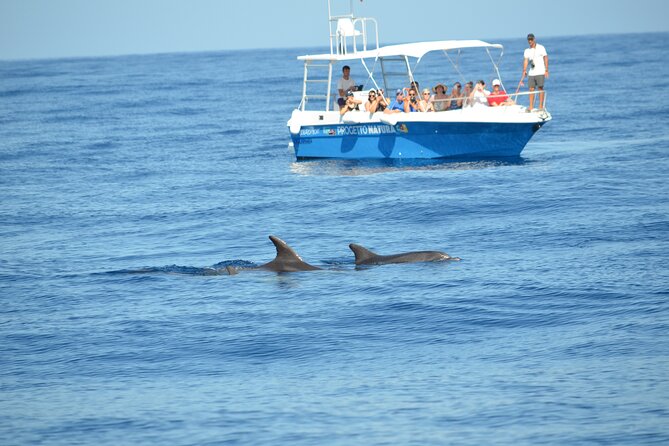
Many dolphin excursions treat the animals as a moving photo opportunity. This one takes a more careful route. A MareTerra scientist remains on board, explaining how dolphins live, communicate, hunt, and face conservation threats.
The crew uses photo-identification, studying the shape and markings of dorsal fins to recognise individual dolphins. If the animals are known to the research group, the guide may explain their names, estimated ages, and health condition. That turns a sighting into something more meaningful than spotting a fin in the distance.
You may also hear dolphin sounds recorded by MareTerra scientists. This is a fine detail, especially for children, because it helps you understand that the animals are communicating and behaving naturally rather than simply performing near the boat.
The latest-generation engine is designed to reduce noise and fuel use. That matters in a wildlife setting. A quieter boat is less intrusive, and lower fuel consumption fits the tour’s conservation message.
I also appreciate the honesty built into the briefing. Fabio, one of the guides named in the tour information and guest feedback, makes clear that dolphins may not appear. That expectation-setting protects the experience from becoming a false promise.
A few more Sardinia bookings to compare
- Sardegna: Tavolara Boat Tour with Snorkeling
★ 4.9 · 921 reviews - Cagliari: Boat Tour with 4 Swim Stops, Snorkeling & Prosecco
★ 4.9 · 865 reviews - Olbia: Dolphin Watching & Snorkeling Boat Tour near Figarolo
★ 4.9 · 670 reviews
Meeting in Alghero and getting on the water
The tour begins at Progetto Natura, Lungomare Barcellona, in Alghero. The meeting point is described as easy to find, with parking reported as manageable nearby and public transportation close to the starting area.
After the group gathers, the crew leads you to the boat. The maximum group size is 12, though some departures may be smaller. A compact group helps during the wildlife search because the guide can keep everyone focused, answer questions, and make sure people understand the viewing rules.
The boat returns to the same meeting point after roughly four hours. Plan your day around that timing rather than assuming the boat will drop you somewhere else along the coast.
Bring water, a swimsuit, towel, sun cream, sunglasses, and a hat. There is no toilet on board, so use facilities before departure. You are also asked to provide your shoe size after booking so the crew can prepare masks and fins.
If you have asthma, angina, or another medical condition that could affect your physical performance or safety in the water, tell the operator when booking. Most people can take part, and children from age five are accepted, but this remains an active sea excursion.
Searching for dolphins in Capo Caccia waters
The first main task is the dolphin search. The boat travels through the waters around the Capo Caccia and Isola Piana Marine Protected Area, a setting that gives the trip strong visual appeal even before any animals appear.
The exact route depends on sea conditions and where dolphins may be found. This is not a fixed sightseeing circuit with a guaranteed timetable. You might spend time scanning the water, listening to explanations, and watching the coast before a pod appears.
The operator gives an estimated 80 percent chance of seeing dolphins, which is unusually high for wild animals. Still, the sea can produce a quiet day. One outing recorded no dolphins but remained worthwhile because of the education, scenery, and snorkeling. Another unusually lucky trip included a whale, along with dolphins on other departures.
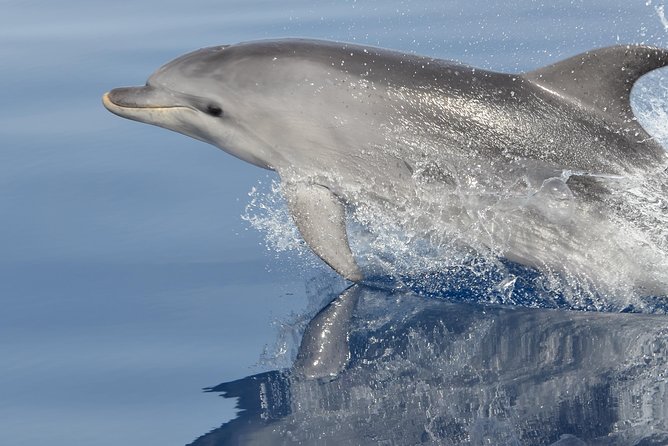
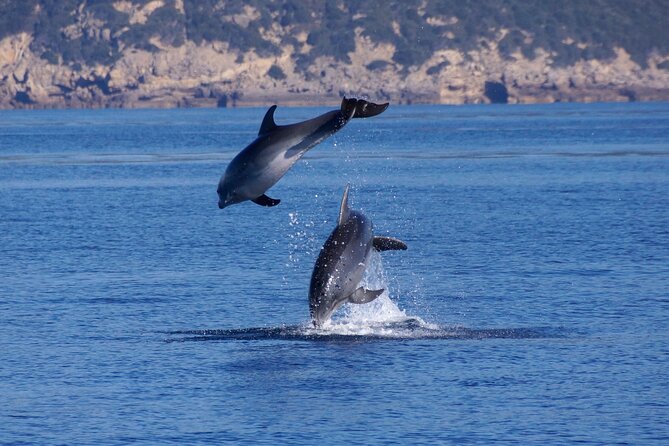
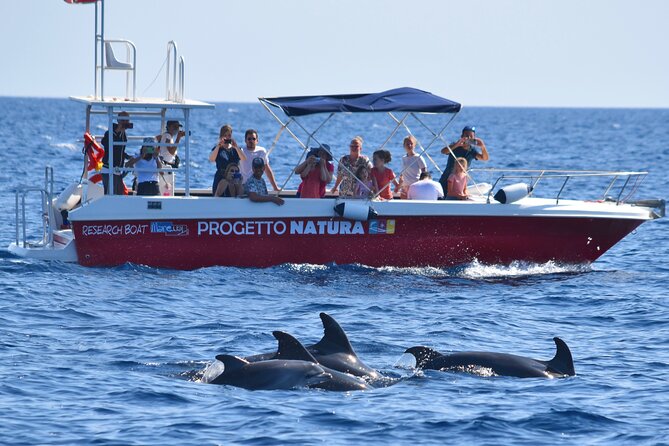
When dolphins are located, the boat approaches according to the international code of conduct adopted by the crew. The goal is to watch without chasing, blocking, or stressing the animals. You may see them swimming, surfacing, or jumping, but their behavior is their own.
Some groups have watched seven or nine dolphins, including mothers with calves, and one account describes a group staying near the boat for about half an hour. These moments can be powerful, but they should be treated as fortunate wildlife encounters, not part of a scripted show.
The small group helps here. With fewer people on board, the experience feels less like a crowded sighting and more like a field lesson. The crew’s respect for the animals is one of the strongest reasons to choose this excursion.
Learning to read dolphin behavior
The educational part is not filler while the boat searches. Guides explain dolphin biology, behavior, conservation status, and the effect of climate change on Mediterranean marine life.
You may learn how the crew identifies individuals by their dorsal fins. That detail gives you something specific to watch for. Instead of simply looking for movement, you can pay attention to fin shape, group behavior, and the way the dolphins travel through the water.
The guides also share information about their research. This gives the trip a useful purpose beyond recreation, since your booking helps support an organization studying dolphins and promoting better protection practices.
The presentation is delivered in English. Some past departures have included explanations in more than one language, but English is the listed language, so do not assume multilingual guiding on every trip.
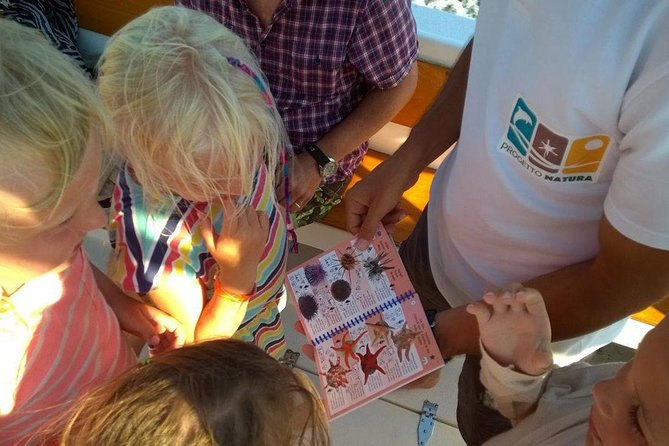
Educational booklets and species-identification materials are included. They can help you connect the boat discussion with the snorkeling session later. Reading on a moving boat can make some people seasick, though, so wait until the boat is steady or ask the crew for guidance.
Motion sickness is worth considering. The supplied equipment does not include sickness bags, so if you are prone to nausea, bring your own small bag and take sensible precautions before departure. The crew has been described as kind and helpful when someone became ill, but prevention is still better.
Still Sardinia, but a slower afternoon:
- From Sardinia: La Maddalena Archipelago Full-Day Boat Tour
★ 4.6 · 4,980 reviews - Golfo Aranci: Eco-Friendly Dolphin Watching Boat Trip
★ 4.8 · 2,846 reviews - Sardinia: La Maddalena Archipelago Full-Day Trip by Boat
★ 4.6 · 2,710 reviews - From Palau: La Maddalena Islands Full-Day Trip by Boat
★ 4.4 · 2,414 reviews
Snorkeling in the Marine Protected Area
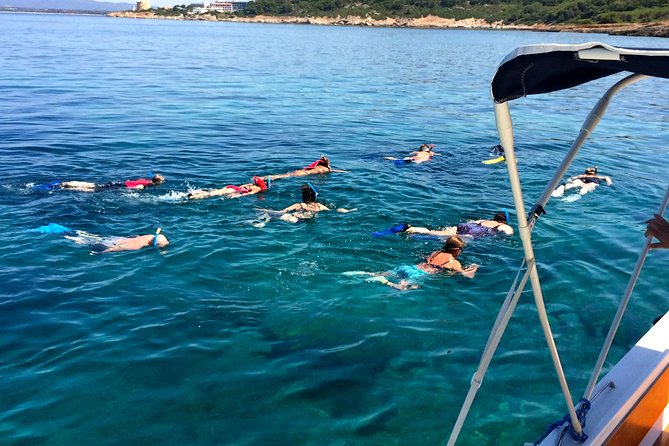
After the dolphin search, the boat stops in the Capo Caccia and Isola Piana Marine Protected Area for guided snorkeling. Masks and fins are included, and the guides accompany you in the water.
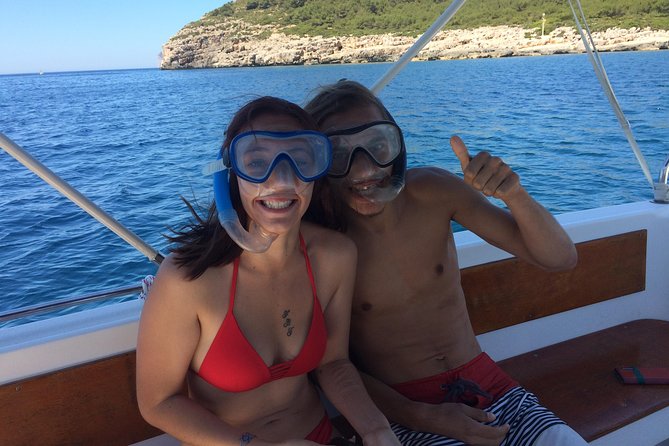
You do not need to be an experienced snorkeler. The guide offers instruction, helps you get comfortable, and can provide a life jacket if you are a less confident swimmer. A guide with lifesaving certification is also part of the crew.
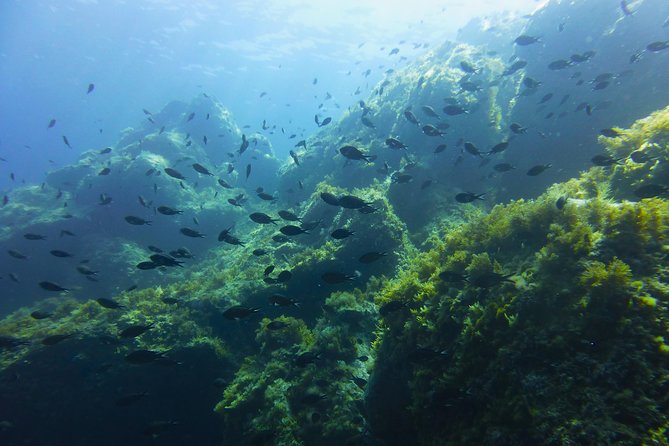
The snorkeling stop is designed around observation and identification. Guides point out local fish, marine plants, and other creatures, then explain what you have seen using booklets or illustrations. Past outings have included sightings of an octopus and a barracuda, though marine life varies from day to day.
This is the Mediterranean, not a tropical reef. Expect local temperate-water sea life rather than the dense fish activity associated with Egypt or Zanzibar. One disappointed participant found the underwater scene modest, while others enjoyed the fish, the instruction, and the chance to learn about the area.
That difference in expectation is important. If your main goal is spectacular coral and clouds of tropical fish, this is not the right snorkeling trip. If you want a calm introduction to Sardinian marine life with a guide explaining what you see, it makes better sense.
The water may feel cold, especially at the start of the summer season. Follow the guide’s instructions and stay with the group. Since several people may be swimming together, keep an eye on those around you so you do not bump into another swimmer.
If your mask leaks, ask for help immediately. Basic masks are provided, and the crew can try another size or offer fitting advice. A mask that is tightened too much may not seal properly, so listen carefully to the guide’s instructions.
What the four hours feel like
The tour has a pleasant change of pace. The dolphin search requires patience and attention, while the snorkeling stop gives you a chance to move through the water and observe marine life at close range.
The coast around Capo Caccia provides a scenic backdrop throughout the boat ride. Photo stops are included during the navigation, giving you time to admire the cliffs, sea, and protected waters without treating every minute as a wildlife search.
The crew’s enthusiasm is a major part of the experience. Fabio, Francesco, and Gabriella are named in the tour material, and other accounts identify guides such as Nikol and Daisy on particular departures. Names and staff can change, but the consistent theme is an engaged team that enjoys explaining its work.
The trip is not luxury boating. It is a hands-on educational outing with basic equipment and a practical small-group setup. That is a good match for someone who values substance over polished extras.
Is $78.64 a fair price?
At $78.64 per person, the cost is reasonable if you use the full experience. You are paying for about four hours on the water, access to the Marine Protected Area, marine biologists, certified nature guides, a lifesaving-certified guide, snorkeling masks and fins, and educational materials.
The value is strongest when you see dolphins and also snorkel. A successful trip can include several dolphins, research explanations, coastal views, and a guided swim in one morning. Some groups have even seen a whale, though that is an exceptional bonus rather than something to expect.
The value remains fair on a no-dolphin day if you care about ethical research and marine education. It is less convincing if you view the trip only as a guaranteed dolphin photograph. No sighting brings no refund, and that risk belongs in your decision.
The tour is commonly booked about 39 days ahead, which suggests you should reserve early during the busy summer period. The group limit of 12 also makes last-minute spaces less certain.
Who will enjoy this tour most?
I would recommend it to families with children age five and up, couples who want a thoughtful boat outing, and anyone interested in marine conservation. Children may especially enjoy hearing dolphin recordings and learning how scientists identify individual animals.
It also suits first-time snorkelers. You receive guidance in the water, and life jackets are available for less confident swimmers. You still need to be comfortable taking part in an outdoor sea activity and honest about any health condition.
Choose another activity if your priority is a guaranteed wildlife encounter, a long luxury cruise, or tropical-style snorkeling. The dolphins may not appear, and the Mediterranean underwater world can look subtle rather than spectacular.
The experience is also a good fit for visitors who want to support responsible wildlife tourism. The crew does not simply chase animals for close photographs. It uses the outing to explain research and conservation, while following rules intended to reduce disturbance.
Weather, cancellation, and practical planning
Good sea conditions are required. If weather forces cancellation, you can choose another available date or receive a full refund. The same options apply if the minimum number of participants is not reached, though mechanical trouble, health issues, or an urgent cetacean-protection intervention can also lead to cancellation.
You can cancel for a full refund up to 24 hours before the scheduled start time. Cancellations or changes made less than 24 hours in advance are not refunded or accepted.
The crew may shorten the trip if weather or sea conditions make it unsafe or prevent the planned program. In that case, the ticket cost may be reduced.
If snorkeling becomes unsafe, the excursion continues with dolphin searching and the ticket price stays the same. This is fair in one sense, since the main purpose is dolphin watching, but it means you should not book on the assumption that both activities are guaranteed.
Should you book the Alghero dolphin tour?
Book it if you want a small-group, research-based sea outing and can accept the unpredictability of nature. The strong guide work, careful dolphin approach, Marine Protected Area setting, and supported snorkeling make this more than a standard boat ride.
I would book early, carry water and sun protection, provide your shoe size promptly, and bring a motion-sickness bag if needed. Go in expecting a lesson in Sardinian marine life, not a marine park show.
For people who value responsible wildlife encounters, this is one of Alghero’s better choices. The dolphins may be absent, but the experience can still leave you with a clearer understanding of the sea you have just visited.
FAQ
How long is the Alghero dolphin watching tour?
The experience lasts approximately four hours and ends back at the Progetto Natura meeting point in Alghero.
Where does the tour meet?
The meeting point is Progetto Natura, Lungomare Barcellona, 07041 Alghero, Sardinia, Italy.
What is the chance of seeing dolphins?
The operator estimates an 80 percent chance of a dolphin sighting. Dolphins are wild animals, so no sighting is guaranteed and no refund is provided if they do not appear.
Is snorkeling included?
Yes. The tour includes guided snorkeling in the Capo Caccia and Isola Piana Marine Protected Area, along with masks and fins.
Do I need snorkeling experience?
No. Guides provide instruction and accompany you in the water. Life jackets are available for people who are less confident swimmers.
Is the tour suitable for children?
Children from age five can take part. Most people can participate, but you should inform the operator about any medical condition that could affect your safety in the water.
Is there a bathroom on the boat?
No. There is no toilet on board, so plan accordingly before departure.
What happens if bad weather cancels the tour?
You can select another available date or receive a full refund. The same choice applies if the minimum number of participants is not reached.
Recently added around Sardinia
- Small-Group Food and Wine Tour from Cagliari★ 5.0 · 237 reviews
- Catamaran tour stops bathing and snorkeling toast with prosecco★ 5.0 · 214 reviews
- Guided Electric Bicycle Tour in Cagliari★ 5.0 · 320 reviews
- 4×4 Mountains And Beaches – Chia area★ 5.0 · 330 reviews
- Cagliari Vintage Tour★ 5.0 · 185 reviews
- Sailing day trip on Tall Ship Andrea Jensen with Lunch and Wine★ 5.0 · 360 reviews
- Cala Gonone: Dinghy Excursion to C. Mariolu and C. Goloritzè★ 4.7 · 1,085 reviews
- La Maddalena: Full-Day Sailing Trip★ 4.7 · 256 reviews
Dolphin Watching, compared.
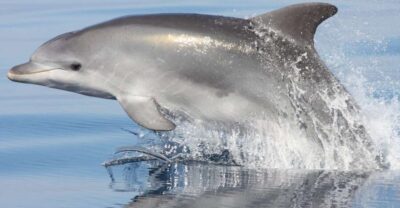
Golfo Aranci: Eco-Friendly Dolphin Watching Boat Trip
Read our review →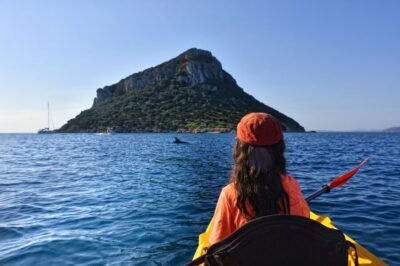
Golfo Aranci: Kayak Tour with Dolphins and Aperitif
Read our review →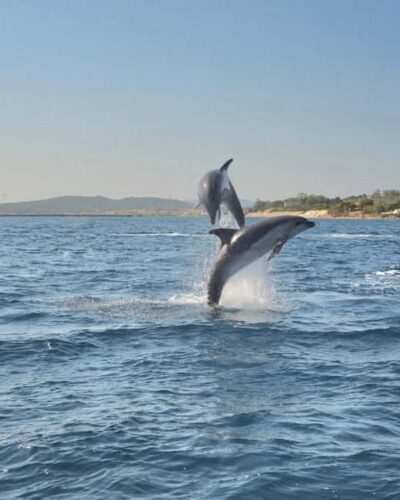
Dolphin Watching & Snorkeling Boat Tour near Figarolo
Read our review →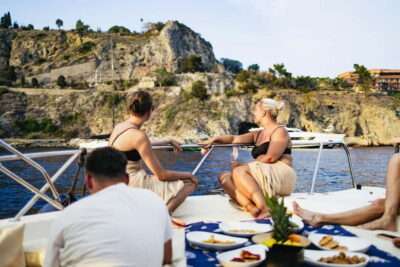
Sunset Boat Tour with Dolphin Watching & Aperitif
Read our review →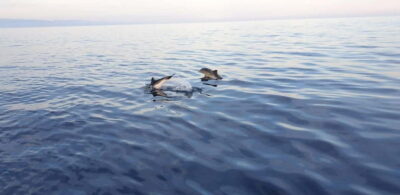
Sunset tour in search of dolphins with aperitif
Read our review →
Golfo Aranci: Dolphin Watching and Snorkeling Boat Tour
Read our review →
Browse the lists this tour appears in